Computer Science
BRAID develops generic ML methods for irregular, high-dimensional data—graph architectures, adaptive reduction, and locality-aware models. These form the shared backbone that all scientific domains build upon.
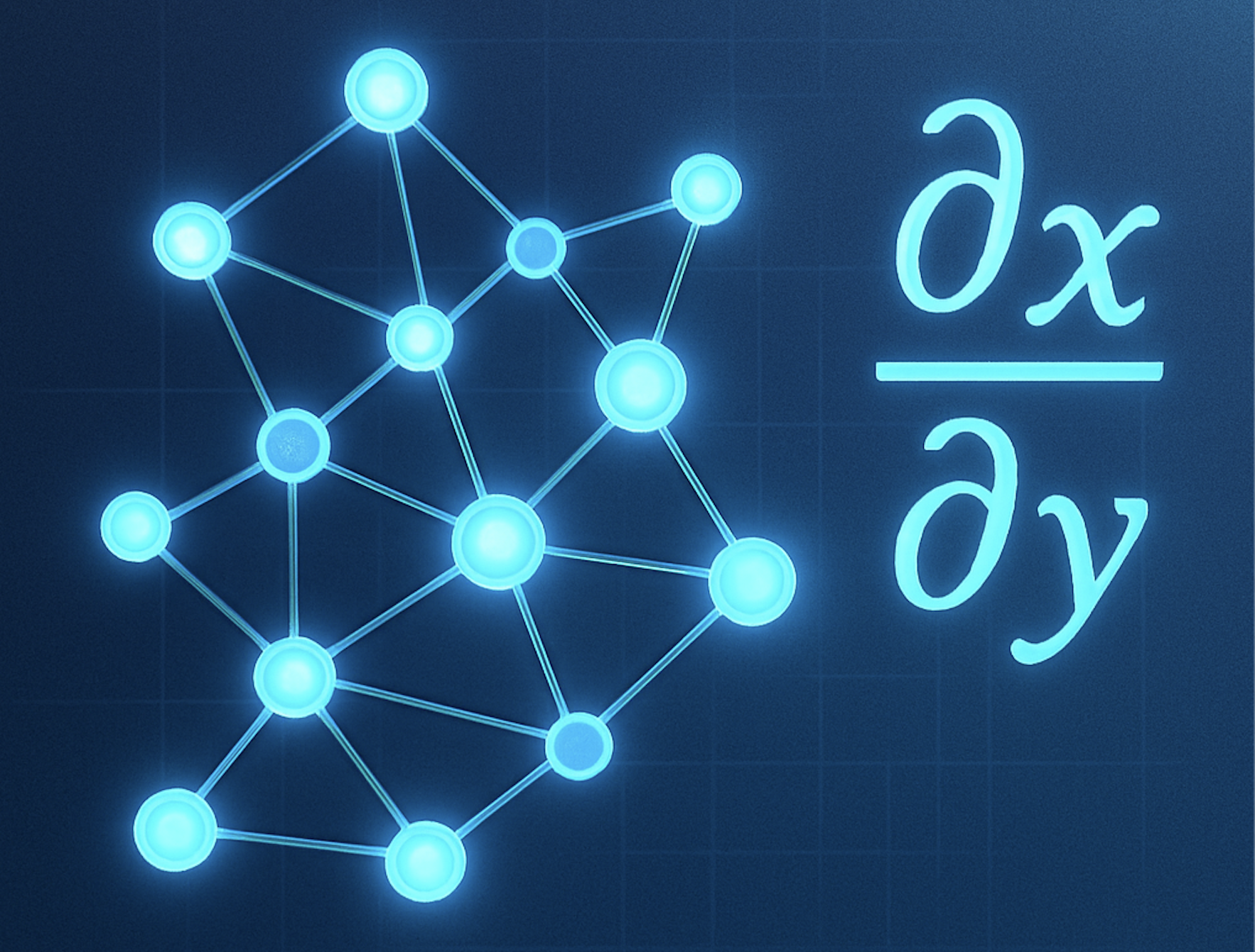
BRAID develops generic ML methods for irregular, high-dimensional data—graph architectures, adaptive reduction, and locality-aware models. These form the shared backbone that all scientific domains build upon.
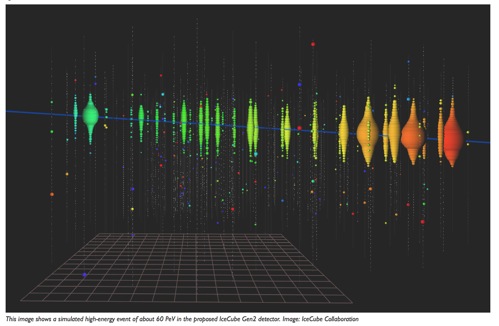
IceCube-like detectors pose sparse, irregular inference challenges. BRAID applies its generic graph-based ML tools to improve event reconstruction, while astrophysics provides demanding test cases that sharpen these methods.
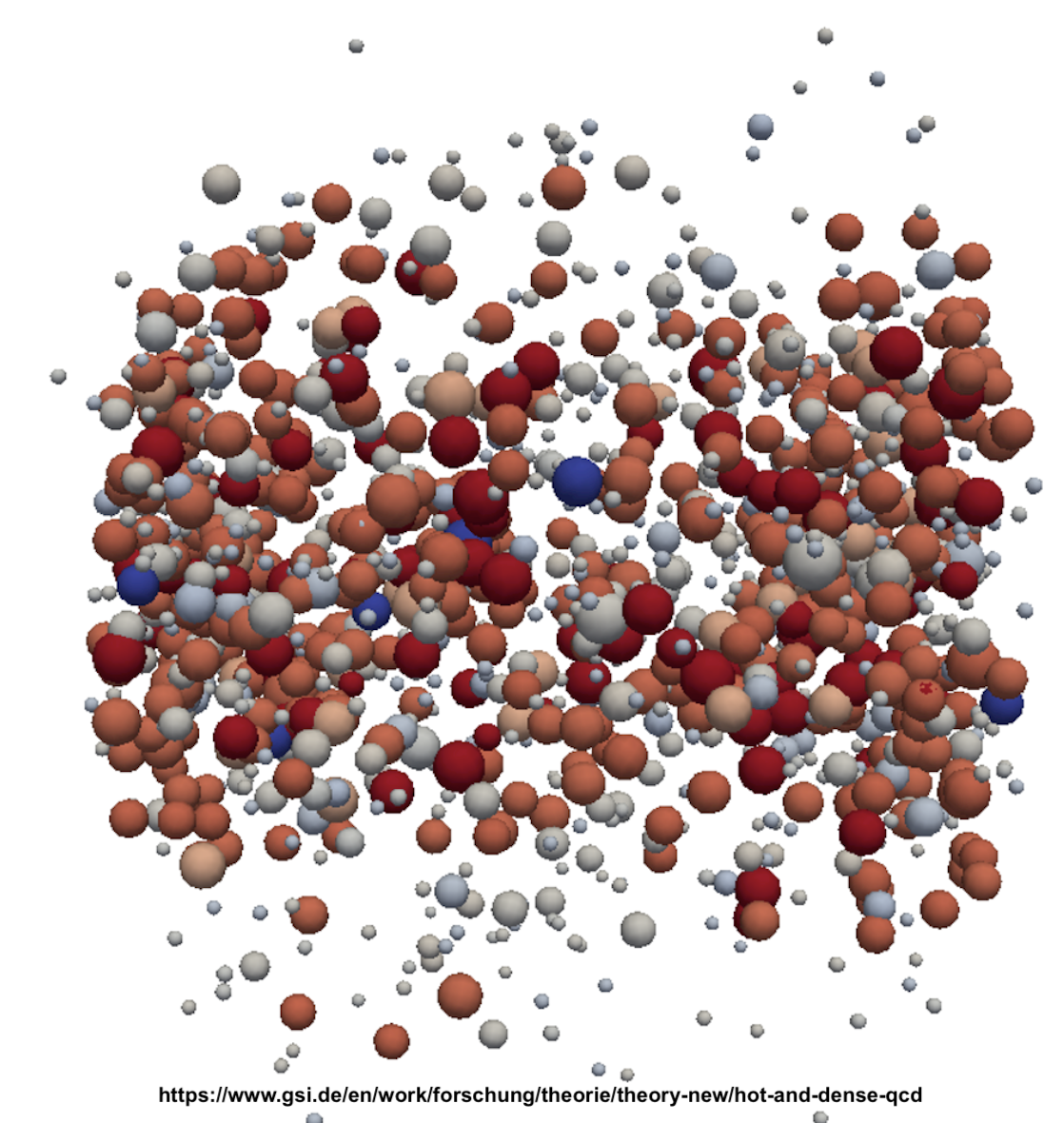
Dynamic detector conditions at FAIR require robust, adaptive algorithms. BRAID's CS-driven architectures offer flexible, locality-preserving reconstruction that can handle shifting environments and complex event structure.
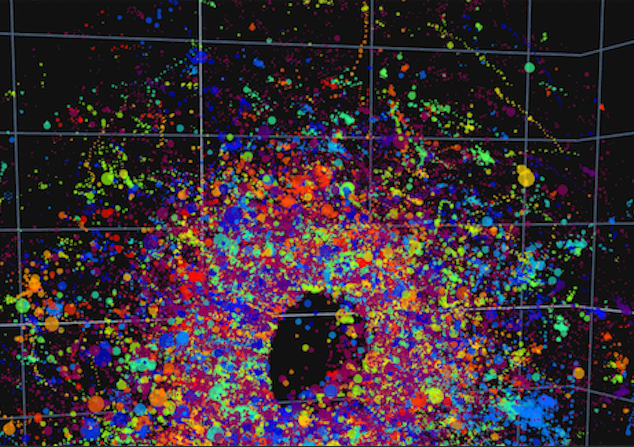
At the HL-LHC and future detectors, classical reconstruction is reaching its limits. BRAID brings domain-agnostic CS methods—graph learning, dimensionality reduction, physics-aware constraints—to improve scalability and detector-design agility.
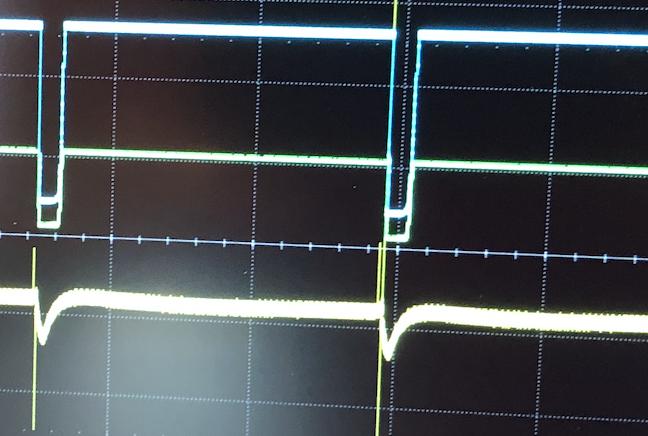
Intraoperative monitoring produces noisy, high-dimensional signals. BRAID repurposes its generic graph and reduction techniques to extract stable patterns, demonstrating their versatility beyond physics.